Starting in 1914 as a European war, the conflict eventually involved 28 nations from every continent fighting in Europe, Asia, Africa and the Middle East, and on all the oceans.
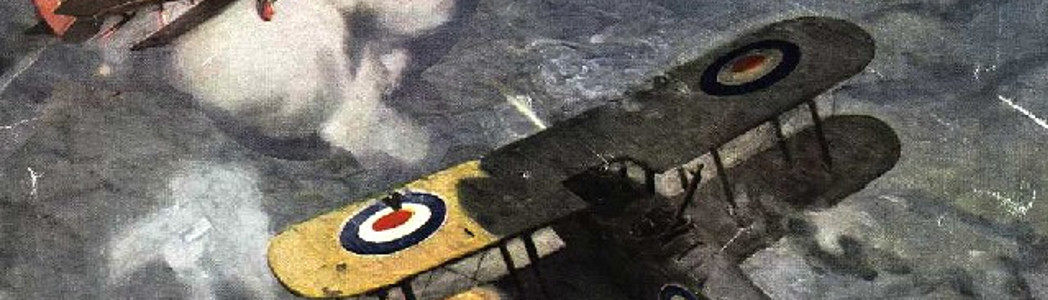
In 1914-1918 military aviation evolved from a novelty to an essential combat arm including reconnaissance, air superiority, tactical support of ground operations, and strategic bombing.
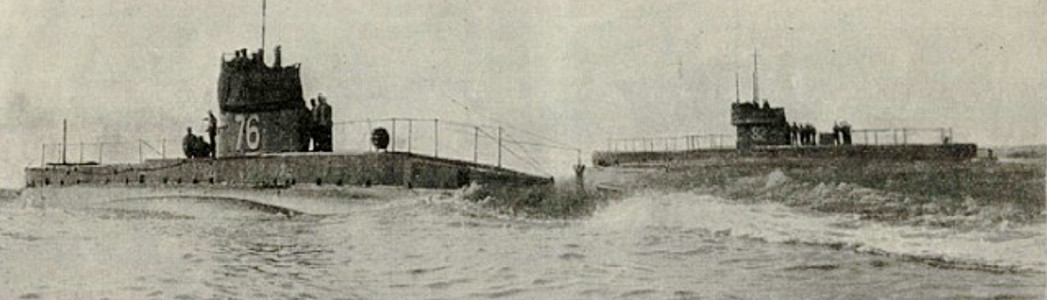
Unproven in 1914, submarines almost became the decisive weapon of the Great War as Germany countered the Royal Navy’s blockade with its near-successful U-boat campaign against the shipping that supplied Britain.
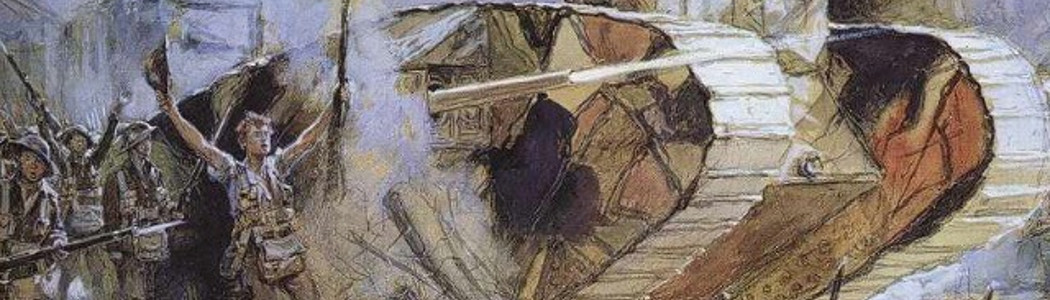
The armored, caterpillar-tractioned fighting vehicle was developed in World War I to break the trench warfare stalemate, and was first used in 1916’s Battle of the Somme.

A remarkable number of participants of WW1 made major contributions to our world during the remainder of the 20th century.
Starting in 1914 as a European war, the conflict eventually involved 28 nations from every continent fighting in Europe, Asia, Africa and the Middle East, and on all the oceans.
In 1914-1918 military aviation evolved from a novelty to an essential combat arm including reconnaissance, air superiority, tactical support of ground operations, and strategic bombing.
Unproven in 1914, submarines almost became the decisive weapon of the Great War as Germany countered the Royal Navy’s blockade with its near-successful U-boat campaign against the shipping that supplied Britain.
The armored, caterpillar-tractioned fighting vehicle was developed in World War I to break the trench warfare stalemate, and was first used in 1916’s Battle of the Somme.

A remarkable number of participants of WW1 made major contributions to our world during the remainder of the 20th century.
Image Viewer Javascript by WOWSlider.com v2.1m
Mouse-over photos to pause. Click photos to visit page.
Discover World War One
Soon after it started in 1914 it was called the Great War. Afterward in 1923, Winston Churchill, a cabinet member and soldier in the conflict and destined to be Prime Minister of Great Britain in World War Two, wrote: "The Great War differed from all ancient wars in the immense power of the combatants and their fearful agencies of destruction, and from all modern wars in the utter ruthlessness with which it was fought . . . When all was over, Torture and Cannibalism were the only two expedients that the civilized, scientific, Christian States had been able to deny themselves: and they were of doubtful utility."
A treaty signed in 1919 was supposed to achieve a peace that would make the carnage from 1914-1918 the "War to End All Wars," but instead many knowledgeable people at the time thought it would only lead to another war. Their prediction came true twenty years later when fighting again erupted in Europe. The conflict from 1939-1945 became the Second World War and the Great War was renamed the First World War.
The World War One Historical Association is a non-profit, educational organization dedicated to studying all aspects of this global struggle. Explore our site and discover why historian Hans Kohn described the First World War as "the starting point of the first world wide revolution. It originated in Europe but encompassed all of mankind within less than half a century . . . everywhere changing thought and cultural trends, political ideas, and social structures."
[more]
|
News
From Devil Dogs to Stosstruppen
Our annual seminar featuring the U.S. Marines, German Storm Troops, and other military topics, will be held at The Marine Corps University, Quantico, Virginia, September 7– 8, 2012. [more]
About Our New Website
The new website of the World War One Historical Association is a work in progress. Please bear with us. We are consolidating hundreds of articles and thousands of images from the sites of our predecessor organizations using new design and navigational schemes. Some of the links you click on for the next few months may take you to the old locations or may be disconnected temporarily.
The Association's calendar of local, regional and special events is located at our Chapter Directory page. [connect]
Our first products are under development and should be offered in our eStore later this spring. Check back with us in late April!
Where Do I Start?
Whether you want to learn about a relative’s military unit, do research for an assignment, or locate a museum or study group in your area, you can find all these things and a lot more by using our Navigation Bar or Search Link at the top of every page, or visit our Resource Center for a huge range of information on World War One, including articles, images, maps, links and much more. |